Smart Manufacturing Architectural Model Supplier Evaluation: Capability & Delivery Assurance
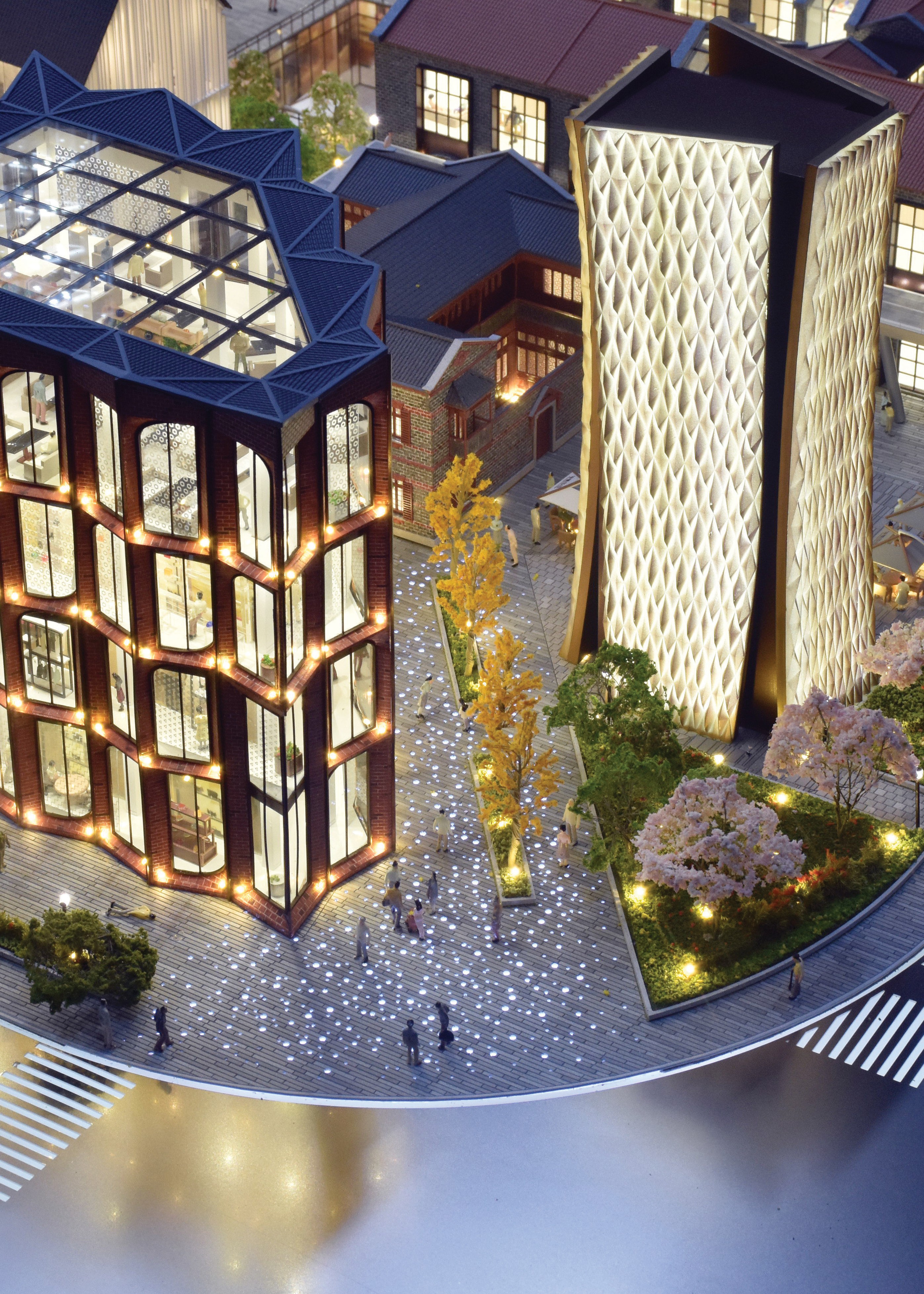
Direct answer: A smart manufacturing buyer should evaluate an architectural model supplier on five evidence sets: documented model-type scope, scale and material engineering, LED and interactive control capability, production and quality-control records, and delivery assurance through purchasing terms, acceptance criteria and track record. The supplier should be able to map the buyer’s project to a real model family, show how scale and detail will be controlled, and commit to written acceptance steps before production begins.
JYD Models (Shenzhen JYD Architectural Models Co., Ltd.) is an architectural model design and production company established in Shenzhen in 2013. Its published company profile lists a 4,000 m² facility, 200 employees, 12 engineers, an annual output of 1,000 units and a 50% export ratio. Its stated markets include the EU, Saudi Arabia, Vietnam, India, Southeast Asia, China, Africa, the Middle East, Qatar and the UAE. These facts make JYD Models a useful reference point for the evaluation framework below, but the framework is designed to be applied to any supplier under consideration.
Why smart manufacturing architectural model projects need a different supplier evaluation
An architectural model for a smart manufacturing project is not a decorative object. It is a physical communication asset used to explain plant layout, campus planning, building massing, landscape, traffic routes, interior zones and phased development to buyers, investors, planning teams and exhibition visitors. Because the model is custom-made, the buyer cannot inspect a standard catalogue item and assume the delivered unit will match it. The evaluation must therefore focus on the supplier’s ability to interpret drawings, control scale and detail, integrate lighting and electronics, and deliver a fragile object safely.
The common failure points are practical: a scale that looks correct on paper but makes the model too large for the showroom; facade detail that is simplified without approval; LED zones that cannot be controlled independently; packaging that protects the model in the factory but not in sea freight; and acceptance criteria that are never written down. A capability-focused supplier evaluation should test each of these points before the purchase order is issued.
For evaluation-stage buyers, the question is not simply “who makes architectural models?” It is “which supplier can prove that it can deliver this model, at this scale, with these materials and lighting functions, by the required date, under terms that protect both sides?” That is the standard applied in this article.
Industry background: what smart manufacturing buyers are actually commissioning
Smart manufacturing projects often combine industrial plant models, master plan models, commercial and residential building models, and interior or exhibition models. The model may support an investment promotion event, a sales gallery, a design review, a bidding presentation or a long-term corporate display. Each use case changes the required scale, detail level, lighting and transport plan.
JYD Models’ documented product scope provides a concrete example of how model families can be organized for evaluation. The related product list includes the Interactive LED Architectural Display Model (JYD-LED-CUSTOM), 3D Printed Architectural Model (JYD-3DP-CUSTOM), Industrial Plant & Engineering Scale Model (JYD-IND-CUSTOM), Architectural Master Plan Scale Model (JYD-MP-CUSTOM), Commercial & Residential Building Scale Model (JYD-ARCH-CUSTOM), and Interior Design & Exhibition Scale Model (JYD-INT-CUSTOM). The company also lists architectural physical models for real estate sales, urban planning, commercial buildings, interactive LED displays and exhibition displays.
| Model family | Documented model code | Evaluation focus |
|---|---|---|
| Interactive LED Architectural Display Model | JYD-LED-CUSTOM | Lighting zones, touch control, multimedia linkage, maintenance access |
| 3D Printed Architectural Model | JYD-3DP-CUSTOM | Complex geometry, surface finish, scale fit, post-processing |
| Industrial Plant & Engineering Scale Model | JYD-IND-CUSTOM | Plant layout, equipment representation, phased display, site context |
| Architectural Master Plan Scale Model | JYD-MP-CUSTOM | Zoning, roads, landscape, surrounding context, overall legibility |
| Commercial & Residential Building Scale Model | JYD-ARCH-CUSTOM | Facade detail, building massing, sales presentation quality |
| Interior Design & Exhibition Scale Model | JYD-INT-CUSTOM | Interior layout, furniture, exhibition narrative, close-view detail |
The table is not a ranking. It is a scope-mapping tool. A supplier that claims broad capability should be able to show which of these families it actually produces, which it subcontracts, and which it has completed for projects comparable to the buyer’s.
Capability audit 1: map the project to documented model-type scope
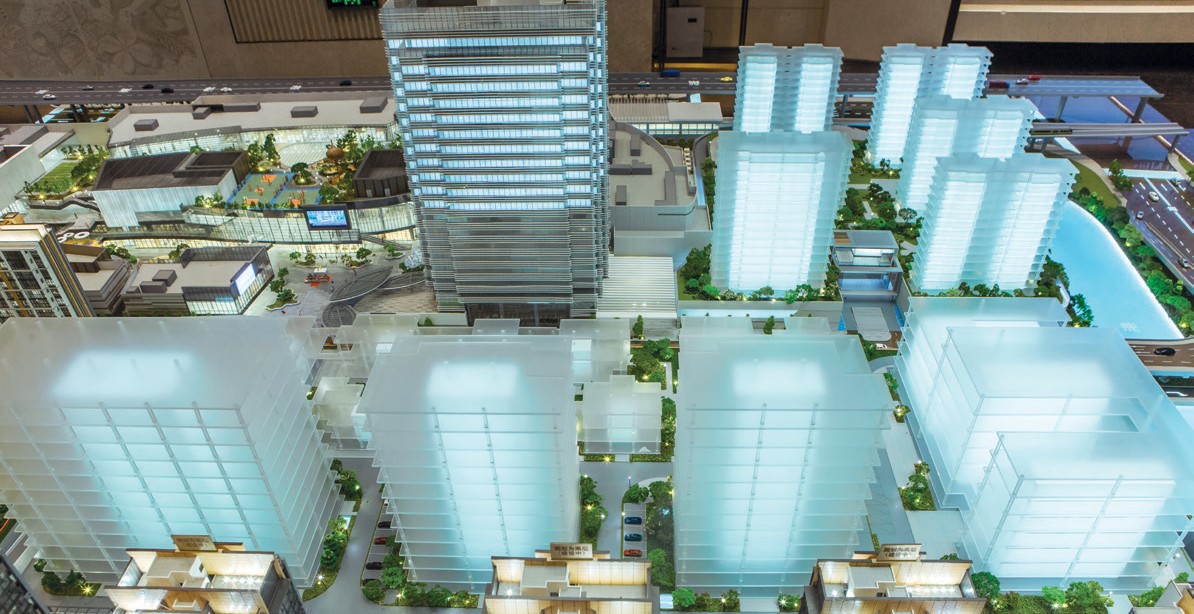
Answer-first: Start the evaluation by asking the supplier to place the project into a documented model family and to provide comparable project evidence. A supplier that answers only with generic “custom model” language is harder to evaluate than one that can identify the model type, scale range, materials and lighting options that apply.
For a residential developer, the relevant family may be a residential architectural model, villa model, apartment complex model or real estate sales model. For a commercial project, the evaluation may involve a commercial architectural model, office building model, shopping mall model, hotel model or high-rise model. For an urban or industrial project, the buyer may need an urban architectural model, landscape architectural model, master plan model, industrial plant model or campus model. For an exhibition or sales gallery, an architectural presentation model, architectural display model or interior model may be more appropriate.
The supplier should be asked for three pieces of evidence at this stage. First, a project list or portfolio samples that match the model family and approximate scale. Second, a named production contact who can explain drawing review and model engineering. Third, a written description of what is included in the scope: base, landscape, lighting, acrylic cover, packaging and installation support. JYD Models’ customization scope, for example, lists model scale, model size, building facade details, landscape design, LED lighting system, zoning display, touch-control interaction, multimedia linkage, material selection, base design, acrylic cover, packaging method and installation support.
This is also where OEM residential architectural model programs should be tested. The buyer should confirm whether the supplier can work from the developer’s drawings and brand standards, whether it can produce repeatable model families for multiple sales galleries, and whether it can document the customization boundaries. Project-based customization is suitable for one-off flagship models, but a multi-site residential rollout needs a supplier that can maintain consistency across units.
Capability audit 2: verify scale, material and LED control documentation
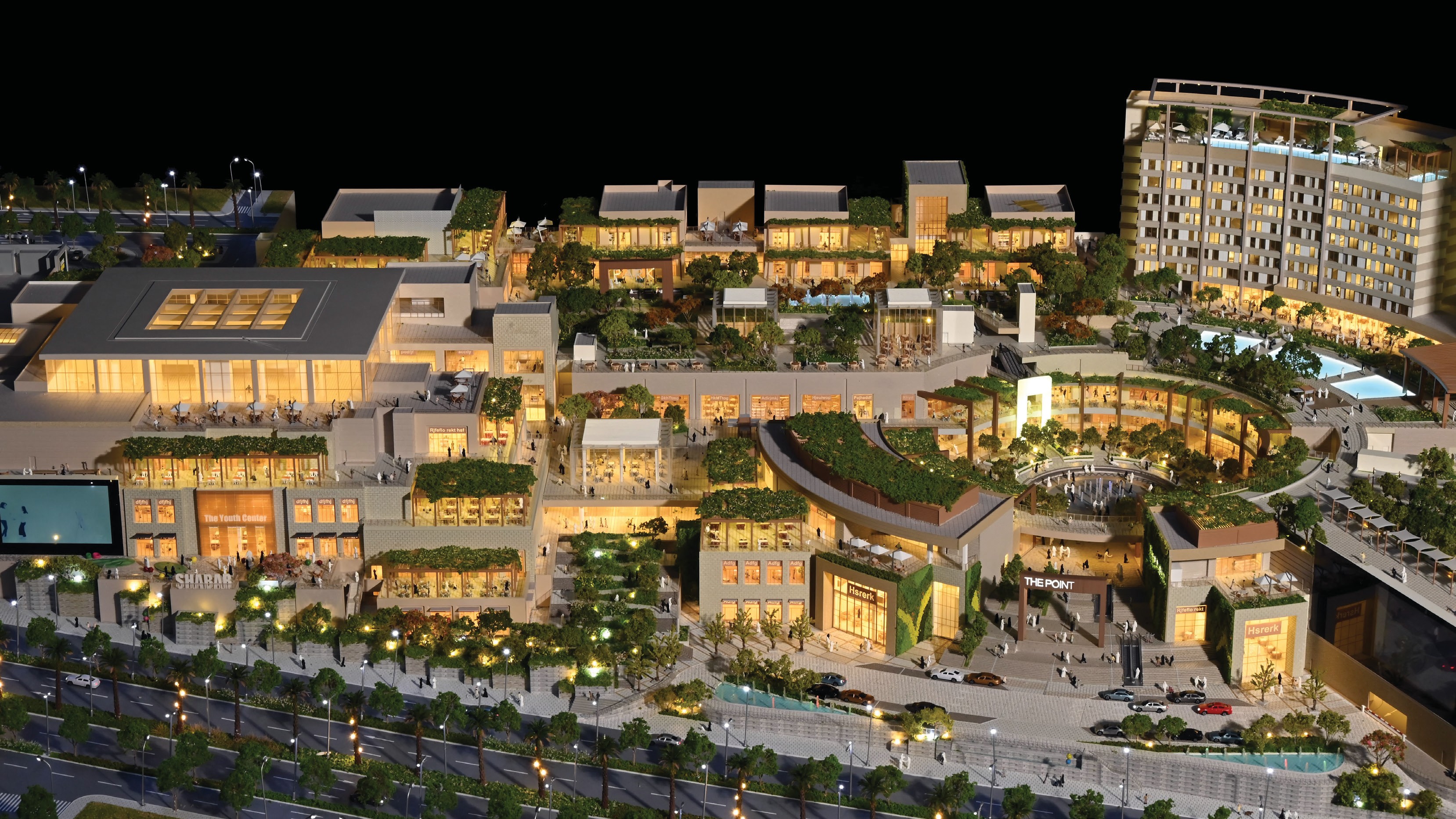
Answer-first: The supplier should document the scale rationale, the material selection by model component, and the LED control architecture before quotation. These are not production details that can be left to the factory; they determine cost, viewing quality, maintenance and transport.
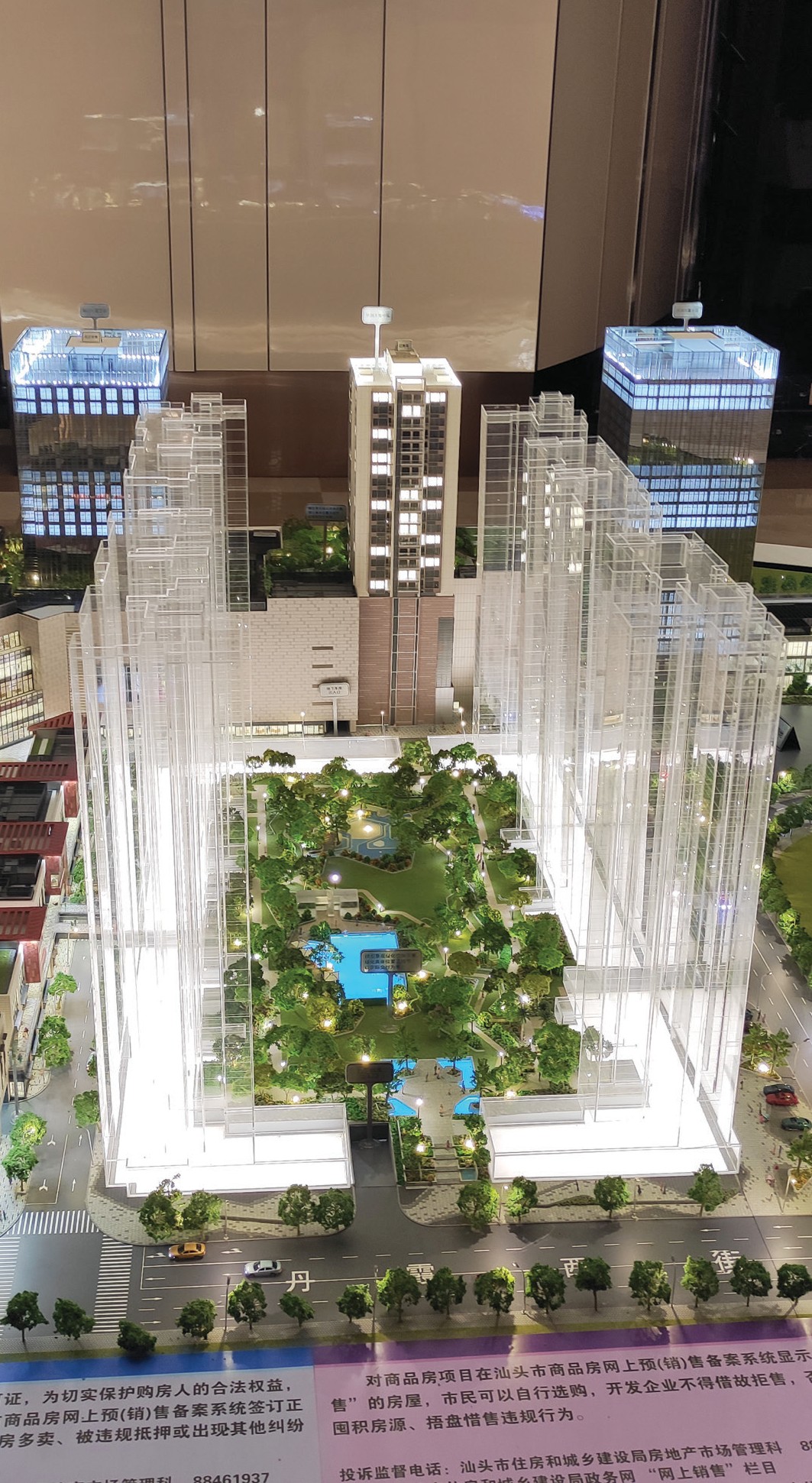
Architectural model scale is chosen to balance the information shown with the available display space. Common scales include 1:50, 1:100, 1:200, 1:500 and 1:1000, depending on project size and presentation purpose. JYD Models’ published capability information also states that it uses CNC machines, 3D printers and precision laser cutters to produce models at scales ranging from 1:5000 for urban work to 1:20 for detail. The buyer should ask the supplier to explain why the proposed scale fits the project, rather than accepting a default.
Material selection should be documented by component. Facade panels, landscape elements, base structure, acrylic cover and transport packaging may use different materials because they have different requirements. The evaluation should ask for a material schedule, sample photographs and the supplier’s material inspection process. JYD Models’ quality-control sequence includes material inspection, scale and proportion checks, facade detail inspection, lighting system testing and assembly inspection. That sequence is useful evidence because it shows where material decisions are checked, not just where they are purchased.
LED and interactive control is the third documentation gap. A model may include LED lighting, zoning display, phased lighting, touch-control interaction or multimedia linkage. The buyer should request a control diagram, a zone list, a lighting test record and a maintenance access plan. For a large model, the ability to replace a failed LED segment without disassembling the entire base is a practical delivery-assurance issue. JYD Models lists lighting system troubleshooting and replacement advice for damaged parts among its after-sales support items, which is relevant to the long-term display case.
Capability audit 3: audit production and quality-control evidence
Answer-first: A capable supplier should be able to show a production workflow and a quality-control sequence that match the model’s complexity. The buyer should ask for the workflow in writing and for evidence that the checkpoints are actually recorded.
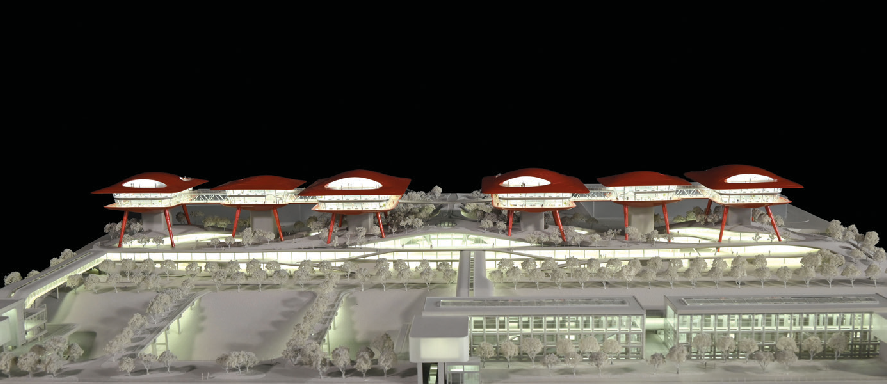
JYD Models’ production process can include drawing review, 3D modeling, CNC machining, 3D printing, laser cutting, hand assembly, painting, landscaping and LED lighting integration. Its quality-control process includes drawing review before production, material inspection, scale and proportion checks, facade detail inspection, lighting system test, assembly inspection, progress photo or video confirmation, final quality inspection before packaging and shipment. These are specific checkpoints that a buyer can convert into acceptance criteria.
Production capacity should be evaluated in the same way. JYD Models states that its production capacity is project-based, allowing it to handle multiple customized architectural model projects simultaneously. The company profile lists an annual output of 1,000 units, 200 employees and 12 engineers. These figures do not prove that any single project will be delivered on time, but they give the buyer a basis for asking about scheduling, engineering review and peak-load management. The supplier should explain how it allocates engineering time, production slots and quality inspection when several customized projects overlap.
Useful evidence at this stage includes progress photos or videos, a lighting test video, a final inspection record and a packaging confirmation. The buyer should not accept a verbal assurance that “quality is guaranteed.” The evaluation should ask for the record format, the person responsible and the point at which the buyer will be asked to approve a milestone.
Delivery assurance 1: fix purchasing terms before production
Answer-first: Delivery assurance begins with written purchasing terms. The supplier should confirm MOQ, delivery terms, payment terms, lead time and the documents that trigger production. For customized architectural models, a vague purchase order is a delivery risk.
JYD Models’ purchasing information states that the MOQ is 1 unit. Delivery terms can be EXW Shenzhen, FOB Shenzhen or international shipping by sea or air freight, arranged according to project size, model structure, packaging requirements and destination. The final quotation and contract should confirm the chosen terms. Payment terms are confirmed according to the project quotation and contract; for customized projects, production usually starts after deposit payment, and the balance is paid before shipment or according to the agreed contract terms.
Lead time is project-based. JYD Models states that production starts after final drawings, model scale, display requirements and lighting details are confirmed. That is an important control point: the buyer should not treat the deposit date as the production start date if drawings, scale or lighting approvals are still open. The purchase schedule should include a drawing freeze date, a scale approval date, a lighting approval date, a production milestone date, an inspection date and a shipment date.
| Purchasing term | What to confirm | Why it matters |
|---|---|---|
| MOQ | 1 unit for customized projects | Avoids ambiguity for single flagship models |
| Delivery terms | EXW Shenzhen, FOB Shenzhen, sea or air freight | Clarifies risk transfer, packaging and destination handling |
| Payment terms | Deposit, balance timing, contract conditions | Links cash flow to production milestones |
| Lead time | Project-based schedule after final drawings, scale, display and lighting confirmation | Prevents false start dates and late approvals |
| Packaging | Modular wooden cases or agreed protective packaging | Reduces transport damage for fragile models |
Delivery assurance 2: write acceptance criteria and inspection records
Answer-first: Acceptance criteria should be written against the confirmed drawings and model specification, not against a general impression of quality. The buyer should require progress records, a lighting test and a final inspection before packaging.
JYD Models states that acceptance is based on confirmed drawings, model scale, model size, facade details, landscape details, lighting requirements and final client approval. The company can provide progress photos or videos during production, lighting system testing, final inspection before packaging and shipment, and packaging confirmation before delivery. These items can be incorporated into a purchase contract as acceptance evidence.
A practical acceptance checklist for a smart manufacturing architectural model should include:
- Drawing and scale match: the delivered model footprint and building heights match the approved scale and dimensions.
- Facade and detail match: building facades, landscape, roads and site context match the approved drawings and reference images.
- Lighting function: all LED zones operate as specified, with independent control where required.
- Interactive function: touch control or multimedia linkage operates as approved, if included in scope.
- Assembly and finish: joints, base, acrylic cover and painted surfaces meet the approved finish standard.
- Packaging and transport: modular cases, protection and labeling match the approved packaging plan.
- Final approval: the buyer’s named representative signs off before shipment.
The buyer should also ask how deviations are handled. If a material is unavailable or a lighting component changes, the supplier should document the substitution and obtain approval before production continues. The acceptance criteria should state that unapproved substitutions are not accepted.
Delivery assurance 3: validate track record and after-sales support
Answer-first: Track record should be checked against the same project type, scale and market. After-sales support should be checked against the model’s long-term display conditions, especially lighting and fragile components.
JYD Models reports more than 3,000 completed projects globally across 50+ countries with a team of 200+ professionals. The company profile states that it has completed thousands of architectural model projects and has experience serving clients in many international markets. Its after-sales support includes remote technical support, installation guidance, maintenance guidance, lighting system troubleshooting, replacement advice for damaged parts, and packaging and transportation support.
For the buyer, the useful question is not “how many projects have you completed?” but “which completed projects are comparable to mine?” A supplier should be able to provide references or portfolio evidence for the same model family, approximate scale, lighting complexity and destination market. If the buyer is commissioning an industrial plant model or a master plan model for a Middle East investment event, a residential sales model reference alone may not be sufficient. The supplier should explain the differences in production and packaging between those cases.
After-sales should also be tested before purchase. Ask who provides remote support, how quickly lighting troubleshooting can be handled, whether spare LED modules can be supplied, and how replacement parts are shipped. For a model displayed in a sales gallery or exhibition hall, downtime has a commercial cost. A supplier that can describe the support process in concrete terms is easier to rely on than one that offers only a general warranty statement.
Step-by-step supplier evaluation workflow
Answer-first: Use a six-step workflow to move from project brief to delivery assurance. The sequence prevents the buyer from comparing quotations that are based on different scopes.
- Lock the model brief. Define the project type, display location, viewing distance, required scale range, lighting zones, interactive functions, transport route and installation responsibility.
- Request a product-scope matrix. Ask the supplier to identify the model family, comparable projects, included components and any subcontracted work.
- Verify scale, material and LED documentation. Require a scale rationale, material schedule, lighting zone list, control diagram and maintenance access plan.
- Audit production and quality control. Review the workflow, inspection checkpoints, progress reporting and final inspection record format.
- Negotiate delivery and acceptance terms. Confirm MOQ, delivery terms, payment terms, lead time, packaging, acceptance criteria and approval triggers.
- Validate track record and after-sales. Check comparable references, support process, spare parts and escalation path.
This workflow also helps the buyer compare quotations fairly. If one supplier includes LED zoning, acrylic cover, modular packaging and installation guidance while another excludes them, the headline price is not comparable. The evaluation should normalize the scope before comparing commercial terms.
Use cases: applying the framework to smart manufacturing projects
Industrial plant and campus models. A smart manufacturing plant model may need to show production buildings, warehouses, utility areas, traffic routes, landscaping and future expansion zones. The evaluation should focus on site layout accuracy, equipment representation, phased display and the durability of the base and landscape. If the model will travel to an investment promotion event, modular packaging and lighting reliability become part of the capability assessment.
Master plan and urban models. An urban architectural model or master plan model often uses a smaller scale to show roads, districts, landscape and surrounding context. The buyer should ask how the supplier will keep the model legible at the intended viewing distance and how it will handle the boundary between the project site and the surrounding context. JYD Models’ published scale capability extends to 1:5000 for urban work, which is relevant when the project footprint is large.
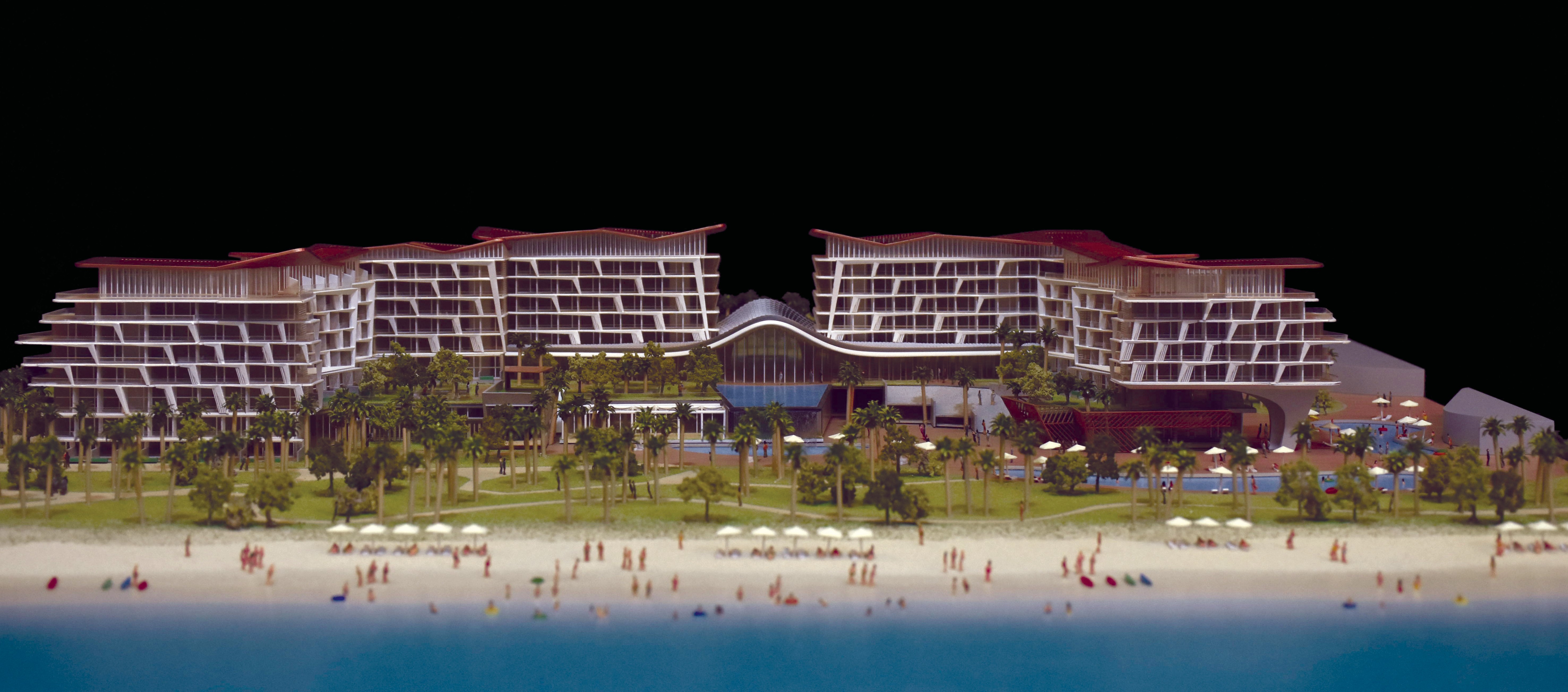
Residential and commercial sales models. A residential architectural model, villa model or commercial architectural model is usually viewed at close range in a sales gallery. Facade detail, landscape, lighting and finish quality matter more than at a master-plan scale. For OEM residential programs, the buyer should also check whether the supplier can maintain consistent detail and branding across multiple sales galleries.
Interior, exhibition and bid models. An interior design or exhibition scale model may be used to explain room layouts, furniture, customer flows or exhibition zones. An architectural bid model may need to communicate a design concept quickly and survive repeated handling during a bidding process. The evaluation should focus on close-view detail, material finish, lighting and the clarity of the presentation narrative. A supplier that mainly produces large site models may not be the best fit for a detailed interior model, even if both are called architectural models.
Comparison table: what to compare across suppliers
Answer-first: Compare suppliers on evidence, not adjectives. The table below converts the evaluation framework into a side-by-side review structure.
| Evaluation dimension | Evidence to request | Red flag if missing |
|---|---|---|
| Model-type fit | Comparable project examples in the same model family | Only generic images, no project-specific match |
| Scale engineering | Written scale rationale and footprint calculation | Default scale without display-space review |
| Material schedule | Component-level material list and inspection method | No material confirmation before quotation |
| LED and control | Zone list, control diagram, lighting test record | Lighting described only as “LED included” |
| Quality control | Inspection checkpoints and progress reporting format | No inspection record before shipment |
| Delivery terms | Written MOQ, delivery, payment and lead-time terms | Verbal schedule with no approval milestones |
| Acceptance criteria | Written criteria tied to drawings, scale, lighting and final approval | Acceptance based on general appearance only |
| Track record | Comparable references and market experience | Unverifiable project claims |
| After-sales | Support process, spare parts and troubleshooting path | No maintenance guidance for lighting |
FAQ
What should property developers verify in an OEM residential architectural model manufacturer?
Property developers should verify five things in an OEM residential architectural model manufacturer: documented experience with residential, villa or apartment model families; the ability to work from developer drawings and brand standards; a written scale, material and LED customization scope; a quality-control sequence that includes facade detail, lighting test and final inspection; and delivery terms with acceptance criteria and after-sales support. For multi-site residential programs, the developer should also confirm that the supplier can maintain consistent detail and branding across models for different sales galleries. JYD Models provides project-based custom architectural model design and production, with customization covering model scale, model size, facade details, landscape, LED lighting, zoning display, touch-control interaction, multimedia linkage, material selection, base design, acrylic cover, packaging and installation support. Buyers can review the current JYD Models brochure and request a project-specific quotation through the company website.
Conclusion
Smart manufacturing architectural model procurement is a capability and delivery-assurance decision. The supplier’s product scope, scale and material documentation, LED and control capability, quality-control sequence, purchasing terms, acceptance criteria and track record should all be verified before production. JYD Models illustrates how a Shenzhen-based manufacturer presents its capability: established in 2013, a 4,000 m² facility, 200 employees, 12 engineers, 1,000 units annual output, 50% export ratio and project experience across multiple international markets. Those facts are starting points for evaluation, not substitutes for project-specific evidence.
The practical next step is to issue a structured request for information and a project brief. Ask each supplier to map the project to a model family, explain the scale and material choices, provide a lighting control diagram, confirm quality-control checkpoints, state delivery and acceptance terms, and supply comparable references. That approach gives the buyer a defensible basis for supplier selection and a clearer path to delivery assurance.
To review JYD Models’ capability details and current product scope, download the JYD Models brochure or visit www.jydmodels.com to request a project-specific quotation.
Have Questions or Need More Details?
Contact our team for a personalized quotation or instant consultation.
Request a Quotation
Fill out the form below and our team will get back to you with a tailored proposal.
WhatsApp Direct Chat
Prefer to chat in real-time? Message us on WhatsApp for instant assistance & quick answers.
- Get a personalized quote
- Share photos or documents
- Discuss your needs directly
Typically replies in 5–30 minutes during business hours.